Monday, May 19, 2008

FROM GREENSBORO TO GREENVILLE AND BACK AGAIN, or how I got them Mamlish Blues

Photobucket


Last Weekend I went hunting for a ghost. From Tuscaloosa to Greenville and back again, in search of Ed Bell.
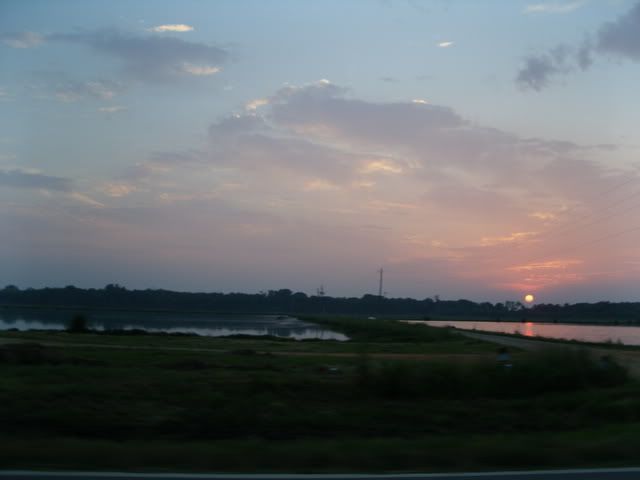


I actually made two trips, one the Saturday before, on May 10th. The trip on the 10th was less successful, but still it was great seeing the countryside.
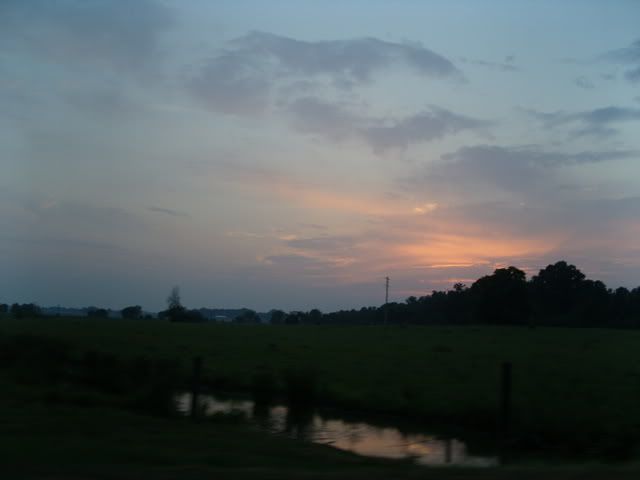


Before my trip on the 10th, I consulted Mapquest for directions to Greenville...Interstate all the way. Tuscaloosa to Birmingham. Birmingham toward Mobile, Exit Fort Deposit. That's no way to see the country, so I grabbed the State Map.


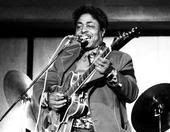
Ed Bell, next to Charlie Patton, is my favorite blues musician. His guitar playing was unique. He did not quite fill out the chords that he played, he just hinted at them, and in that respect, was a subtle player. But he would also grab strings with his thumb and pop them wildly at times, giving his music an unrestricted emotional quality.

His Voice was haunting, sometimes strained with intensity. His lyrics strange and eerie at times.


I want you to send my body to my Mother-in-Law
If she don't want it, give it to my Ma
If my Ma don't want it, give it to my Pa
If my Pa don't want it, give it to my Mammy Lee
If my Mammy don't want it, give it to my used-to-be
If she don't want it, cast it in the sea
Then these women in Greenville stop squabblin' over me

Squabblin' Blues
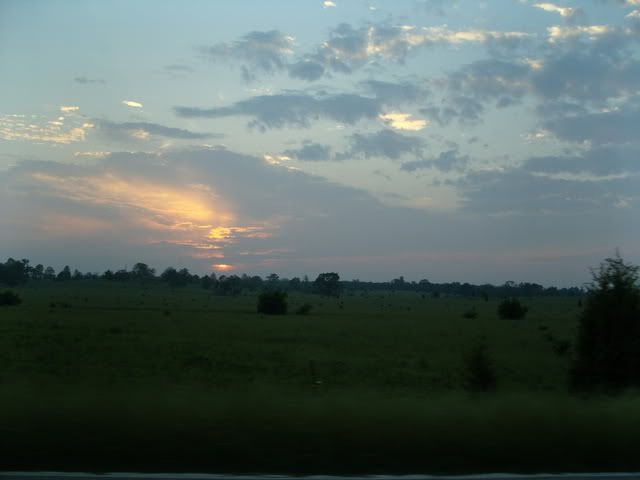


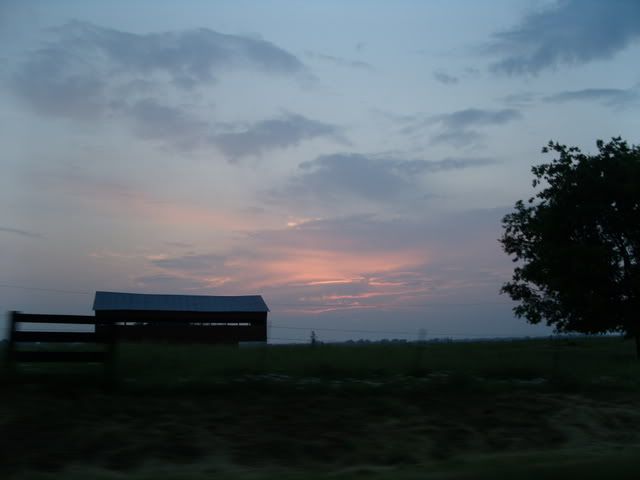
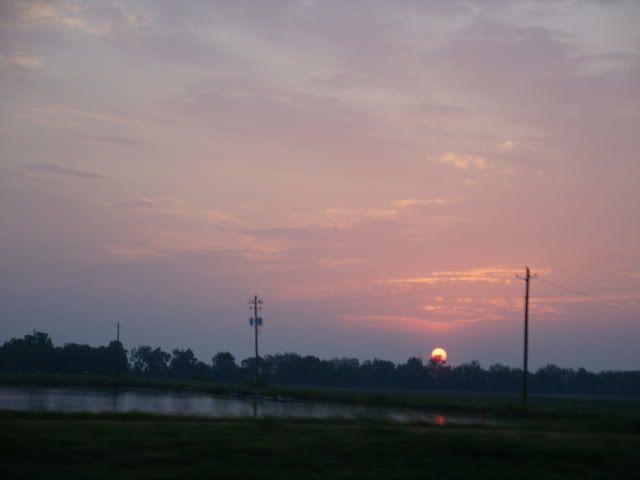
I left the house around 1:00 pm on Saturday. the weather was very pleasant for this time of year in the south. A bright sunny day and unusually cool.


I don't know how much of this information is accurate, but here is what is commonly known about Ed Bell:


Ed Bell was born in 1905 in Fort Deposit, Alabama, on the Davis plantation. His parents were farmers. His family moved to nearby Greenville when he was young, which is where Ed Bell spent much of his life. Greenville was a prosperous town at one time, mainly due to the railroad. The town of Greenville had a strong music scene, mainly stringbands, which is the music that Ed Bell played until somewhere around 1919.
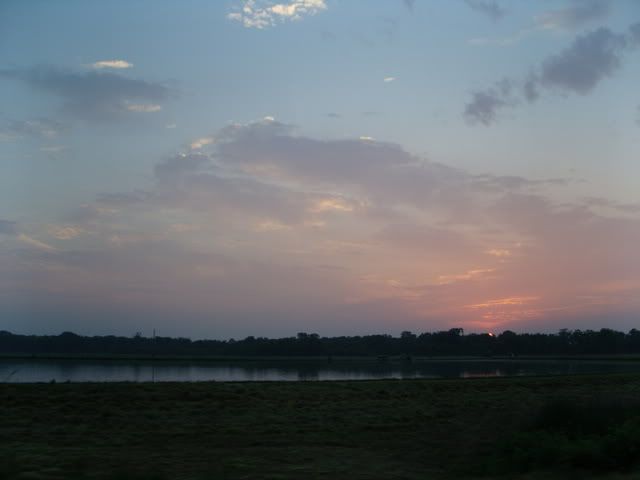


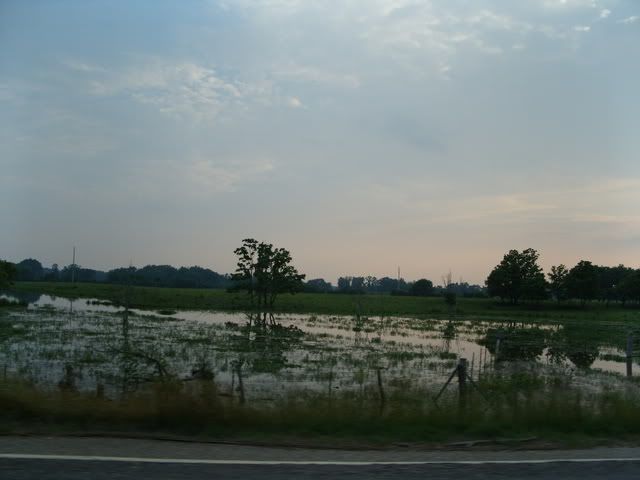
On the way to Greenville I passed through Greensboro, the self proclaimed "catfish capitol." I took these photos on the 10th while driving past catfish farms on the way back to Tuscaloosa.

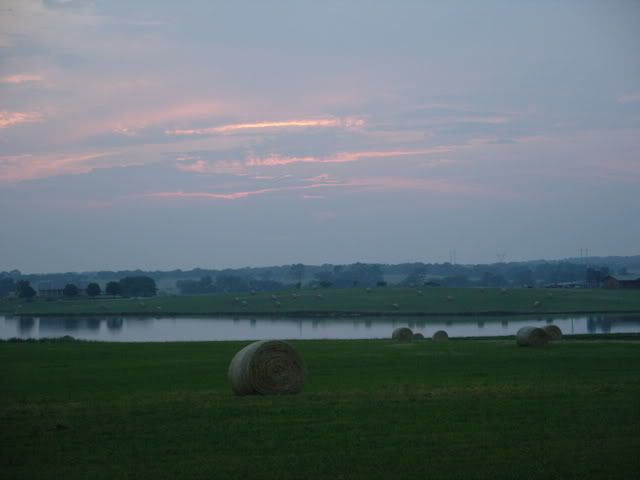
There can be no more beautiful drive than through rural Alabama. Through the catfish farms of Greensboro, where the Herons line up beside the ponds and wait patiently for a meal, past bales of rolled hay and bright green, wide open spaces that appear magically through a break in the trees. To the beauty of South Alabama, passing through areas that at one time held great importance. Passing through communities that were once thriving towns full of prosperity, that are now desolate and neglected. Giant mansions and plantation homes sprinkle the landscape, neglected towering skeletons of the past.

Wealth and influence may seem important now, but in the south the kudzu always wins.


Ed Bell had a cousin named Joe Pat Dean. By all accounts he was a wild one. A hard drinking, buckdancing bottleneck blues musician who took Ed Bell under his wing. In 1919 the two took a trip up to Muscle Shoals, Alabama, and when they returned to Greenville, Ed Bell had altered his playing from the stringband music of his past, to the more modern blues style.


Joe Pat Dean wrote a song that he titled Mamlish Blues, which he played bottleneck style. After the trip to Muscle Shoals, Joe Pat Dean grew increasingly jealous of Ed Bell's talent, and disassociated himself from Bell. Around 1924 or 1925, Joe Pat Dean was killed by a jealous husband. In September 1927, Ed Bell had his first recording session in Chicago for Paramount Records. The first song that Ed Bell recorded was a reworking of Joe Pat Dean's Mamlish Blues done in Bell's trademark fingerpicking style. The recording released by Paramount (12524) was a hit.


Before you ask, I have no idea what "Mamlish" means. The song Mamlish Blues begins,

"These are the Mamlish Blues
I'm going to tell you just what that means"


Of course he doesn't.

The word "Mamlish" appears on more than one recording by Ed Bell, and it seems to be used as a modifier of sorts.

The word "Mamlish" wasn't limited to Ed Bell, other blues musicians used the word as well. For instance, in the song Nappy Head Blues, we know that Bobby Grant had a woman whose

"Head is nappy and feet so mamlish long
like a turkey coming through the mamlish corn"


If anyone out there can enlighten the rest of us on the word "mamlish," please feel free to comment. My personal theory is that the word "mamlish" shifts between, or is a combination of "evil," "down and out," and "goddamn."


I traveled from Greensboro to 80, and followed 80 through Selma, where the ghosts of the civil rights movement lay heavily in the air.

From Selma toward Montgomery. I stopped briefly in Lowndesboro.


I stopped briefly at the Mt. Olive Baptist church. There were two churches, actually, one across the street from the other. One church was burned in the 1990's, and a newer church was built across the street.


A cemetery stood behind the old church. Several markers were fashioned from cement, the information inscribed before the cement set. One marker had pebbles placed decoratively to provide the information.


I left the church and took 97 through Hayneville and Latchatchee, to Interstate 65, down to Fort Deposit, the birthplace of Ed Bell.


In the early 1920's, Ed Bell farmed a little, but mainly played music. One of Ed Bell's lifelong friends in Greenville was Pillie Bolling, who he played music with often. Toward the end of Ed Bell's career as a musician, he and Pillie Bowling travelled to Atlanta to record some sides for Columbia Records. Columbia released I Don't Like That, and She's Got a Nice Line in 1930. Pillie Bolling recorded a couple of solo tunes which were released by Columbia a few years later. An Australian 78 collector tracked Pilllie Bowling down sometime in the 1970's to ask him about the record. It was the first time that Pillie Bowling had any knowledge that the record had even been released.
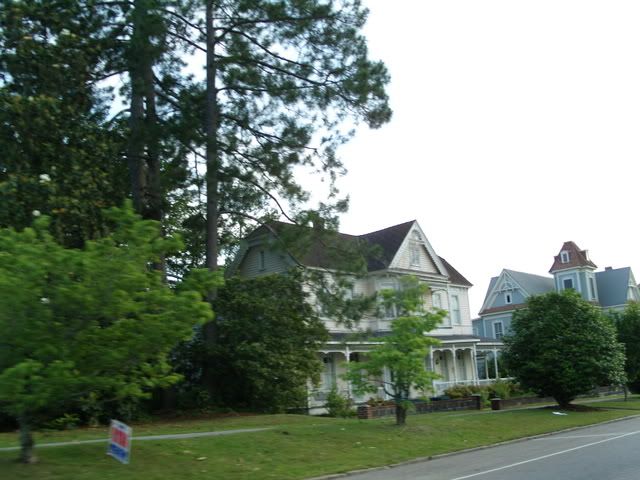


I didn't stay too long in Fort Deposit. I spotted a sign for Greenville and, since it was beginning to get late, decided to follow the signs to the town where Ed Bell spent most of his life.


As soon as I arrived in Greenville I began searching for Ed Bell's neighborhood. On the way I passed the South Alabama Shape Note Convention Center. There were a few cars in the parking lot, but unfortunately it was late and I was on a mission. Maybe a future post....


I found the area where Ed Bell lived. Unfortunately his house was torn down years ago.

Ed Bell's records were very popular in the 1920's and early 1930's, selling over 5,000 copies per pressing (that was a hit back then). He was a unique voice, especially for the time. His first recordings for Paramount Records, Mean Conductor Blues, and Frisco whistle Blues, recorded in 1927, predated much of the similarly styled Mississippi blues. Certainly ahead of his time, his best songs are full of an intensity unmatched by most blues artists. Ed Bell was able to sustain himself solely as a musician, traveling throughout the U.S. But as the new decade dawned, Bell grew tired of the lifestyle he was living. Ed Bell quit the music business and enrolled in Selma College, eventually becoming a minister and a civil rights activist.
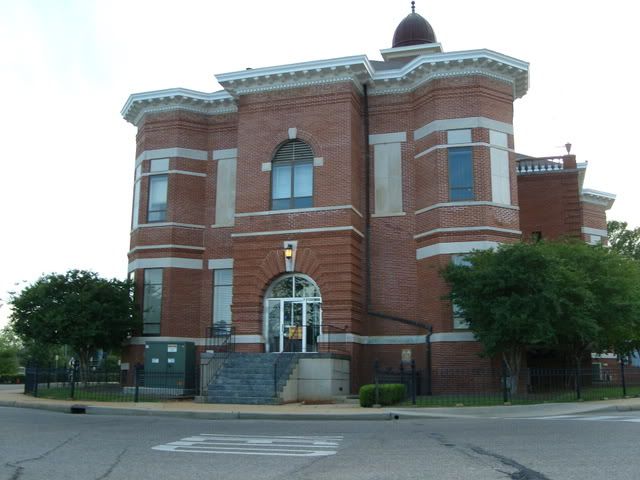
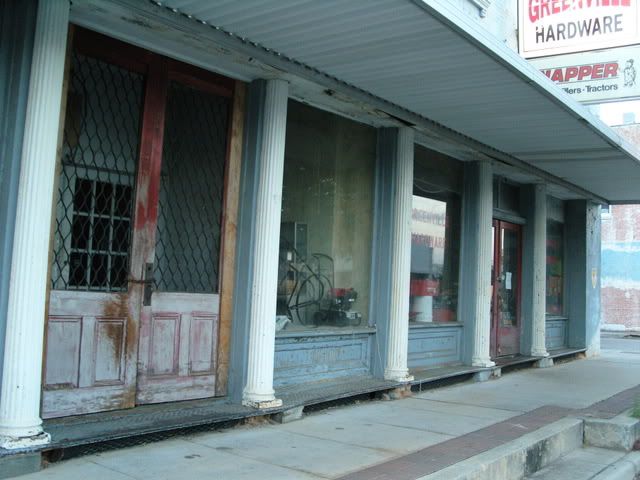

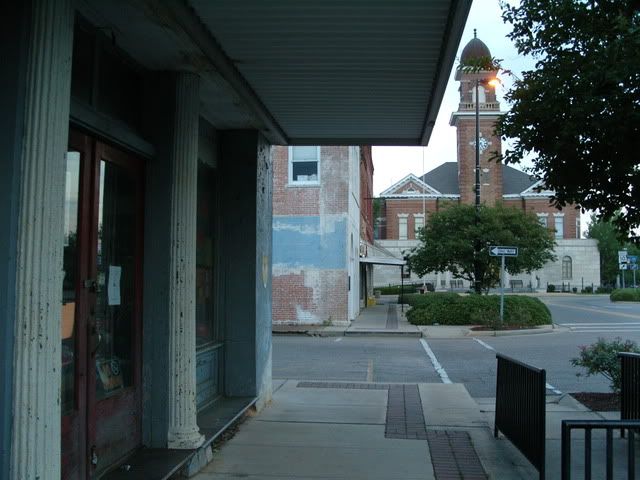


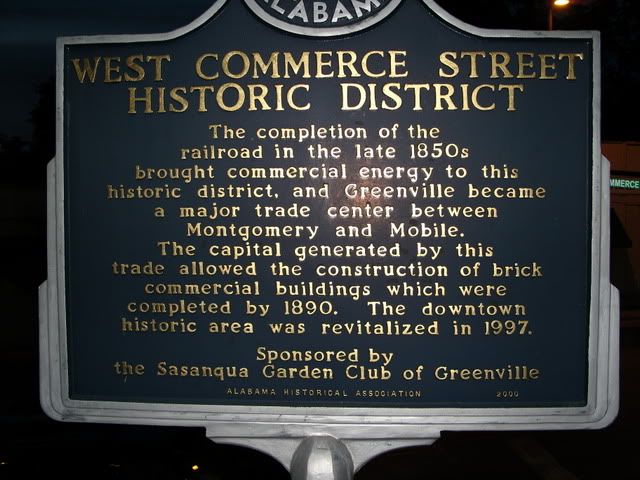
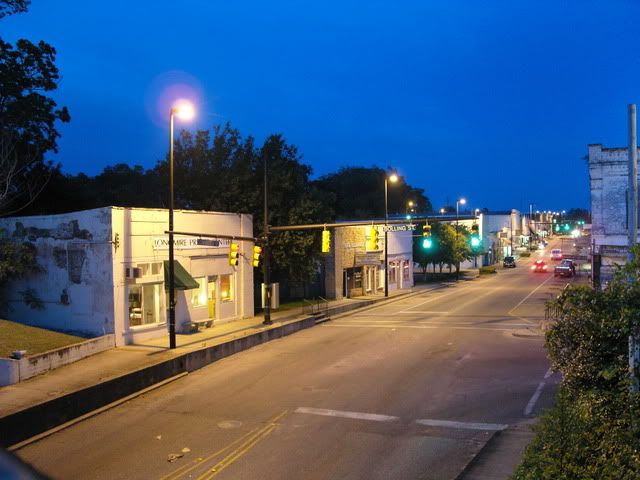
The railroad was the major factor for the wealth and prosperity of Greenville. After WWII Americans began to rely more and more on trucks to transport goods, an effort by the government to put soldiers to work at home. The prosperity began to shift away from the railroad towns. The economic center shifted, or rather lost it's usefulness. People didn't rely on the the railroads as they once did. As the prosperity began to dwindle, so did the people, and the town of Greenville became frozen in time. I had such an intense feeling while walking downtown. I felt as though I were seeing layers of time that I could superimpose or peel away at will. It was easy to visualize the busy streets full of excitement and Ed Bell, standing in front of the Greenville Hardware Store, playing guitar.



The train figures heavily in Ed Bell's lyrics, with songs such as Mean Conductor Blues, Frisco Whistle Blues, and Leaving Train Blues. It was interesting to see the depot that was such an inspiration to Ed Bell and the town of Greenville.

There was just enough daylight to take a couple of photos of downtown from the railroad trussel, then it was time to travel back home.


Pineapple highway through Pineapple to Camden to Thomasville back to Greensboro and finally Tuscaloosa.

Hopefully I will learn more about Ed Bell the civil rights leader for another post. If anyone has any information to share, it would be welcomed

Listening to: Ed Bell - 1927-1930 (Document records)
Reading: A Maze of Death - Phillip K. Dick
Watching: A Tokyo Story - Ozu (Thanks Rick)

Tuesday, April 29, 2008

Bamalong Blues


Last weekend Amy and I went to the 2nd annual Stringband Festival of Gordon County Georgia. The festival is held in the little town of Calhoun and pays tribute to the Georgia Yellow Hammers and Andrew & Jim Baxter.


For those of you not familiar, the Georgia Yellow Hammers and the Baxter's were stringbands during the 1920's and 1930's, back when Gordon County was a hotbed for stringband music.


Andrew & Jim Baxter were a father and son duo. Andrew, the father, played the fiddle, Jim played guitar. Like many stringbands of the time, the Baxter's could play many different styles of music. I believe that Andrew & Jim Baxter released seven 78's, and of these only four have surfaced (don't quote me on that). They are one of my all time favorite stringbands. Check out their song Bamalong here.


The Georgia Yellow Hammers began in the wake of Gid Tanner and his Skillet Licker's popularity in particular, and the popularity of "hillbilly" music in general. The Yellow Hammers had a hit in 1928 with the song Picture on the Wall, which sold 60,000 copies in the first year.


The Baxter's and the Yellow Hammer's played together occasionally, and in 1927 the two groups travelled to Charlotte, N.C. for a recording session. This session resulted in the release of the song G Rag, making the Baxter's and the Georgia Yellow Hammers one of the first recorded integrated stringbands.


Amy and I left Northport at about 7:00 am, so we didn't arrive in Calhoun until around 1:00pm or so. The small town of Calhoun was pretty busy with stringbands, jams and vendors. We watched the Bow Weevils, from Atlanta, Ga, play in front of a row of shops. We talked to Dean & Judy from the group. Dean was playing a very nice banjo that he built himself.


I happened to meet Art Rosenbaum, field collector, banjo player, oral historian and artist. He's the real deal. It was a pleasure meeting him.


As dusk fell it was time for everyone to pack up and move indoors.


Marshall Wyatt, owner of Old Hat Records sponsored the festival.


After a presentation on the history of stringband music by scholar and musician Joyce Cauthen, we watched the Jake Leg Stompers perform. You've heard of twin fiddles, how about twin washboards? The Jake Leg Stompers are my favorite band at the moment. I would highly recommend getting their newest cd.


After the Jake Leg Stompers we were off to the main event, the North Georgia Buggy Riders, Red Mountain Band, and the Skillet Lickers II. I've seen the Red Mountain Band quite a few times, and every time I've seen them they have been great, but this time they were on fire!! I can't even begin to describe how locked in and intense they were.


And after all that great music, it was time to gas up and head back home.
As Promised:
Reading: Ubuntu Hacks & the Official Ubuntu Book
Listening: Jake Leg Stompers - Hot Feet
Watching: Because of my deep and intense love of Godzilla films since I was about 9 years old, I rented Cloverfield. Should have known better. I'm kinda glad that I watched it, though.

Saturday, April 19, 2008

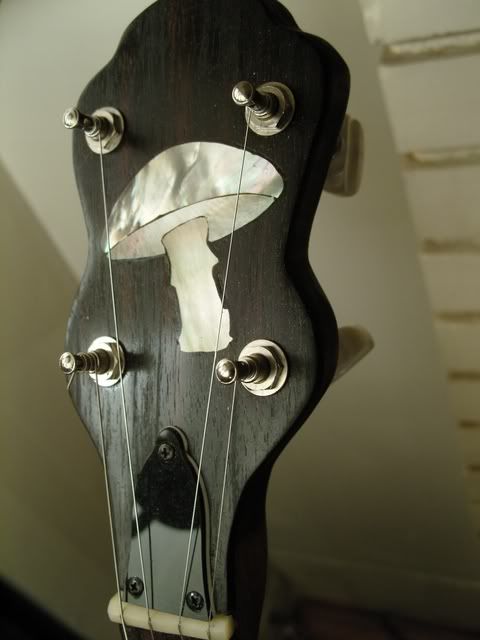
Mushroom Banjo


Here's a banjo that I recently finished.


Banjo Details:


Ebony Fretboard & Peghead
Scooped Fingerboard
Position Markers on side of fingerboard
Maple Pot
Figured Maple Neck
African Rosewood Cap & Heel
Pearl Mushroom Inlay
Binding around Pot
Vintage Bone Nut
No Knot Tailpiece
Custom Bridge
Brass Tonering


OF HATS AND MEN: or how I wrote myself a letter


I know that it is Spring because I awoke this morning with the intention of shaving my beard. Last night when I went to bed I had no thoughts of shaving, but this morning it was time. I was a little nervous as to what I would find underneath six months of beard. We bearded men develop a Sampson complex after a few months without the blade. I was relieved to find, in the end, that I was indeed still there. I thought that I looked just a little older than I remembered, perhaps. I looked no wiser, unfortunately. Still the same ol' me.


I am writing this blog installment while sitting on a rock by a stream. I decided to celebrate Spring renewal by going for a hike on one of my favorite trails, the cliffs and dam of Lake Harris.


It is spring. It is a time of renewal and the evidence is all around. I walk among wild ferns and moss growing around the base of trees. The leaves are bright green. I saw my first Monarch butterfly of the season. I cautiously stepped over a snakeskin on the way to the rock, never can be too careful.


I haven't been out here for a couple of years, but I used to come out here often.
My good friend Sonya introduced me to this trail at least 15 years ago. At one time it was a pretty popular swimming hole, although it looks as though most people have forgotten about it now. I enjoyed hiking out here then. To this day I still hear songs from Pink Floyd's album More in my mind when I come out here. I also hear Movietone, Gong and Tarwater from other periods of my life coming out here. It's my personal soundtrack to this place, I guess. I just thought of my reflection in the mirror this morning. I sure didn't look like the thin, long haired kid that first hiked this trail with my friend Sonya. What's the title of the blues song? "I'm going to sit right down and write myself a letter?"


And Here's a photograph of my hat. Most guys, weather they admit it or not, have a lucky hat, and I'm no exception. I've had this hat for, let's see now, I guess about 12 years, give or take. It used to be green, by the way. I got that hat before I returned to school, and I bet I've worn that hat to every test I've ever taken. If you look closely you can detect a red tint to the bill. I used to throw pottery. The red southern clay dyed the bill of my hat slightly after removing my hat with clay on my hands repeatedly.


It's too beat up and nasty to wear in public now, but I can't just get rid of a hat that's been with me for so long, and, hey, remember that it's lucky, so now I just wear it hiking.


When I returned to school, I took a challenging science class taught by Dr. John Hall. It was a great class and, in many ways, a life changing experience as well. I've taken many great classes, especially through the New College program at the University of Alabama, but Dr. Hall's class was my first challenging class.


After Dr. Hall's class I would often come out here, either to hike the trail or ride my bike nearby. It would give me an opportunity to think obout that days class, or not think about it, depending on how that day went. My lucky hat and I would slowly walk through the trails looking at the rocks and plants and animals and think about how this planet was formed.


My mom passed away two years ago this week (April 5th), so I guess that's why I've been thinking so much about renewal, rebirth, and how I take so much in life for granted. Coming out here with the bright green leaves and the snakeskin, walking among the wild ferns and listening to the cool stream drift lazily by, gives me the feeling that everything is as it should be in the world, and it makes me want to sit right down and write myself a letter. I would recommend it
to anyone.


Reading: The Man Who Planted Trees - Jean Giono
Listening to: Bert Jansch - Dazzling stranger
Watching: Darjeeling Express


Friday, March 14, 2008

THE SUN IS GONNA SHINE


At one point Northport was called Kentuck. I've heard a couple of reasons for this. One, because of the abundance of cane along the banks of the Black Warrior River, the body of water that separates Northport from Tuscaloosa. The second explanation for the name Kentuck is a bit longer. It goes like this.


Before Northport was incorporated, or even a community, someone got the bright idea to build a saloon on the banks of the Black Warrior, just across from Tuscaloosa (back when Tuscaloosa was spelled with a "k," Tuskaloosa, named after the Indian chief. Tuskaloosa means "black warrior. Confused?). This was long before the Oliver Lock & Dam, of course, and the Black Warrior River was a shallow river. So shallow, in fact, that boats could only get through during the spring and summer months. So, if someone in Tuskaloosa wanted a drink, it was no problem to row or wade across the river.


At that time the wildest, craziest, and downright weirdest place in the whole country was Kentucky. Apparently, the phrase "raisin' cane," refers to the wild-eyed Kentuckians.


So, we have Tuscaloosa, a shallow river, and a saloon on the banks of the far shore. You can start out with a saloon on a vacant lot, but pretty soon you'll end up with a community, and I guarantee that it will be a colorful community. So, people began calling the place "little Kentuck," because everyone was out a little tight.


I guess they called it Kentuck until someone down the way thought it would be a good idea to appeal to a different sort of tourist, and since it was the north port, they thought, "what the hay."


Is that story true? Beats me, I'm just the messenger. What I'm getting at is this. The name Kentuck still lingers around Northport. Each year we have a Kentuck Festival of the Arts, which is a pretty amazing event. We are lucky enough to have an art center named The Kentuck Center on the corner of 5th st. and Main Ave. The Kentuck center houses a gallery space on the bottom floor and artists studios above and in the surrounding space. The first Thursday of each month is "art night," the night that stores are all open longer and the galleys have new shows.


Sometimes bands play in the courtyard of the Kentuck Center and there's always wine and snacks. Snow's Bend Farm, our local co-op, usually has a table in front of the Kentuck Center during the Summer months, so you can get good, fresh veggies, too. It's a lot of fun, and I enjoy going, but I take it for granted, also.


One night, when I was somewhere between the ages of 11 and 13, I heard music coming from the Kentuck Center courtyard. Nothing unusual. I don't know if it was art night, or a private party in the courtyard, but I heard this great music from downtown Northport. Curious, I walked down to the Kentuck Center. I entered the courtyard area and quietly listened to some of the most powerful music I had ever heard, the music hinted to me that the world was much bigger and deeper that I had ever imagined.


The band that I saw perform that night was Johnny Shines and the Kokomo Blues Band. It really didn't mean much to me then.


I got to see Johnny Shines perform about a handful of times before his death, even though he made Tuscaloosa his home and he lived about 10 more years, give or take, from the first time I saw him perform.


I know that I passed up many opportunities to see him perform, but like downtown Northport's art night, I took him for granted. Back then I thought that opportunities stretched out like highways and that people lived forever.


But, I'm fortunate to have seen, and understood the importance of seeing, possibly the last musician of his kind. He was the link between Robert Johnson, who he played with, and the dawning of the newer electric blues.


Not long before he died, he released a cd with Snooky Pryor. Johnny suffered a few strokes by then, and I don't think that he played any guitar on the cd, but his voice was as sweet as honey and as earthy as red clay. The first track on the cd is my favorite version of "Trouble in Mind."


Recently I was asked by the Alabama Blues Project to help with some research, living history, etc. I look forward to the adventure.

My first priority is the historic marker project. We will be designing and placing historic markers in honor of blues musicians throughout the state of Alabama. The first two markers will be Dinah Washington and Johnny Shines, how about that?

If anyone out there wants to contribute or help in any way, or if anyone knows of any interesting musicians, blues or otherwise, to be interviewed, feel free to contact me.


I hope this will be a rewarding adventure. I'll keep everyone posted.

Saturday, March 1, 2008

New Beginings


It's been awhile since the last post. From the beginning I intended this to be a "how-to," stopping with the completion of the banjo, but after several "when's the next post," I've decided to continue. I really don't know what form this blog will take, or for what purpose. The original purpose was to show one way to build a banjo, but sometimes simple projects have a way of taking on a life of their own.


I'm working on a new banjo. The work is going well and it's progressing quickly. We've been having unpredictable weather, even by Alabama's standards. Last Tuesday afternoon I was wearing shorts and a short sleeve shirt. The next morning it was snowing.
But the days are getting longer and every once in a while I can feel spring in the air.
It's nice to be back, thanks for having me.